
Reptile vet for tortoises and lizards
A reptile vet is a veterinarian who treats cold-blooded pets such as tortoises, turtles, lizards and snakes. At City Vet, reptiles such as tortoises and lizards are seen at our Al Wasl clinic. This page covers the reptiles we treat, common illnesses, husbandry checks and emergencies.

Questions people ask us
Can't see your question? Message us on WhatsApp or call your nearest clinic.
Yes. Our Al Wasl clinic, Villa 881 on Al Wasl Road, sees tortoises and other reptiles every day.
Yes. Al Wasl sees tortoises and lizards for check-ups, shell and skin problems and illness.
Once a year, plus a visit whenever your reptile stops eating, sheds badly or changes behaviour.
Not necessarily. Tortoises kept indoors in the UAE often don't hibernate at all, so a tortoise that stops eating needs a vet check.
Your reptile in a warm, secure box, photos of the enclosure and lighting, and a note of what and how often it eats.
Everything to know about reptile & tortoise vet in Dubai
Which reptiles does City Vet treat?
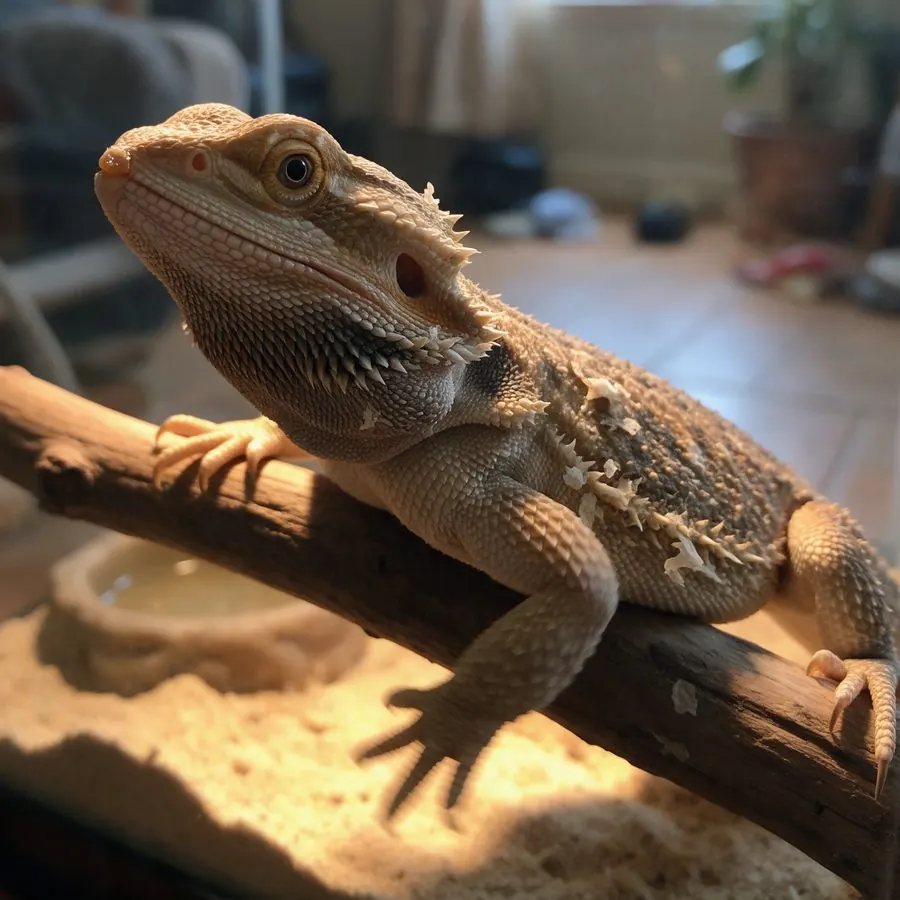
Our Al Wasl clinic treats tortoises and lizards such as bearded dragons and geckos. Call Al Wasl before you bring any other kind of reptile.
Read more
Bring your reptile in a secure, warm container and photos of the enclosure, heat lamp, UVB tube and food.
Common reptile illnesses in the UAE
The 6 reptile problems we see most are metabolic bone disease, respiratory infections, shell and skin problems, retained shed, egg binding and parasites.
These 6 problems bring reptiles to our vets most often:
Metabolic bone disease. Soft bones and shells from too little calcium or UVB light.
Respiratory infections. Wheezing, mouth breathing or bubbles at the nose, often after cold nights or A/C drafts.
Shell and skin problems. Soft spots, ulcers or infections on the shell or scales.
Retained shed. Old skin left on toes, tail tips or eyes when humidity is too low.
Egg binding. A female straining without laying, which needs a vet quickly.
Parasites. Worms and mites, found with a droppings test or a skin check.
Husbandry checks: heat, UVB and diet
A husbandry check reviews the temperature gradient, UVB lighting, humidity and diet in your reptile's enclosure, because most reptile illness starts with the set-up.
Read more
UVB tubes lose strength before they stop glowing, so most need replacing every 6 to 12 months. Our vets give you target temperatures and a feeding plan for your species.
Reptile emergencies
Not eating for weeks outside hibernation, a prolapse, bleeding, burns from heat lamps, a cracked shell and breathing through the mouth are reptile emergencies.
Read more
Keep your reptile warm in a closed box on the way, but never put it directly on a heat pad you can't control. Al Wasl opens at 07:00 from Monday to Saturday and 08:00 on Sunday, and closes at 21:00.
Related care
Book a vet visit
Send your booking on WhatsApp or call your nearest clinic. Walk-ins are welcome during opening hours, at the walk-in price.