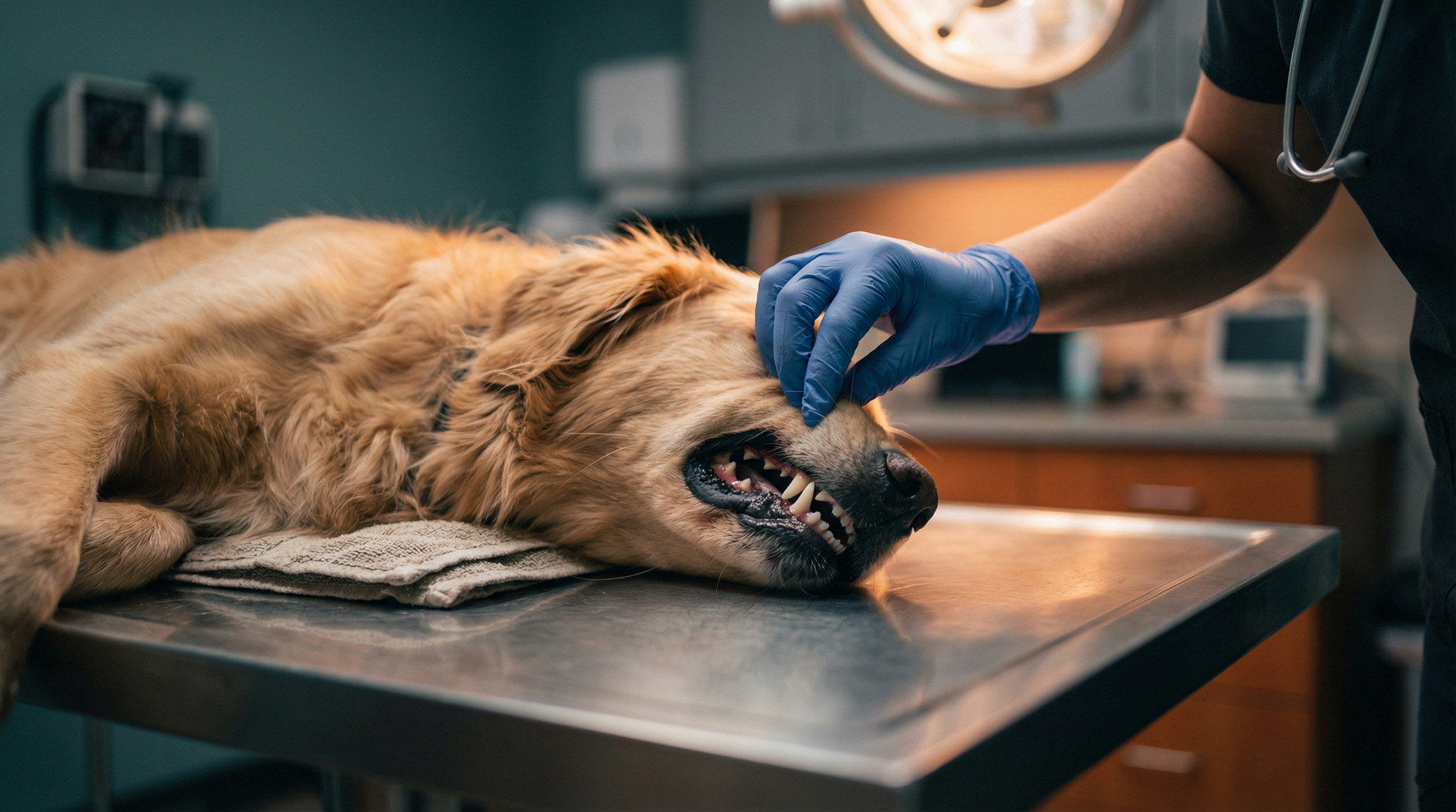
If you suspect your cherished pet has swallowed an item they shouldn't have, it is a veterinary emergency, especially for pet owners searching for a vet clinic in Dubai or a nearby vet. Prompt action is vital, as the consequences of foreign body ingestion can be life-threatening. This guide provides essential information to help you understand the risks and what immediate steps to take, whether you visit your regular veterinarian or The City Vet Clinic.
Recognizing Potential Symptoms
Pets cannot tell us what they have ingested, so owners must be vigilant for behavioral and physical changes. Contact your veterinarian immediately if you observe any of the following signs:
Gastrointestinal Indicators
- Vomiting or Regurgitation: Repeated attempts to bring up food or objects.
- Appetite Changes: Sudden loss of appetite (Anorexia).
- Abdominal Discomfort: Whining, restlessness, or reluctance to let you touch their belly.
- Stool Changes: Diarrhea, constipation, or straining to defecate (Tenemus).
General Warning Signs
- Lethargy or Weakness: Your pet seems unusually tired, unresponsive, or collapses.
- Excessive Drooling (Ptyalism): May indicate an object lodged in the mouth or esophagus.
- Visible Object: A foreign object is protruding from the anus or mouth. (DO NOT attempt to pull it out—seek immediate veterinary assistance.)
Immediate Action Steps
Time is of the essence. Your actions in the first moments can significantly impact the outcome.
- Contact Your Veterinarian or Emergency Clinic Immediately: Clearly explain what happened (what was swallowed, when, and what symptoms you are observing). If needed, locate a reliable vet near me or emergency vet clinic and follow their instructions closely.
- Do NOT Induce Vomiting Unless Instructed: Only your veterinarian can safely recommend this based on the item and the time of ingestion. Inducing vomiting at home with inappropriate substances can be dangerous.
- Remove Remaining Hazards: Secure the area and remove any other accessible objects or substances your pet might ingest.
- Monitor Closely: Keep your pet calm and continuously watch for worsening signs, such as increased vomiting, abdominal swelling, or difficulty breathing. Report any changes to your vet immediately.
Understanding Potential Complications
Foreign objects can become lodged anywhere in the digestive tract, including the throat, esophagus, stomach, or intestines. The severity of the complication depends on the object's type, size, and location.
- Gastrointestinal Obstruction: The object blocks the passage of food and fluids, which can cut off blood supply and cause tissue death.
- Perforation or Internal Injury: Sharp items (like bones or needles) can puncture the digestive tract, leading to leakage of bacteria into the abdomen.
- Peritonitis/Severe Infection: A life-threatening infection of the abdominal lining caused by perforation.
- Linear Foreign Bodies: Items like string, yarn, or ribbons are exceptionally dangerous. They can anchor at one end and, as the intestines attempt to move, the object can saw through the intestinal wall, causing severe damage.
Diagnostic and Treatment Options
Treatment is tailored to your pet's specific condition and is based on diagnostic imaging (X-rays, ultrasound) performed by the veterinary team.
- Induced Vomiting (Emesis): Only for very recently ingested, non-toxic, blunt objects, and only under direct veterinary supervision.
- Endoscopic Retrieval: A minimally invasive procedure using a flexible camera passed through the mouth to retrieve the object from the esophagus or stomach.
- Surgical Removal (Laparotomy): Necessary if the object is large, sharp, or toxic; if it has caused an obstruction or perforation; or if it is lodged deep within the small intestines.
- Supportive Care: Often required regardless of the removal method, including IV fluids, pain relief, anti-nausea medication, and antibiotics.
Prevention: Keeping Your Pet Safe
The best treatment is prevention. Reduce the risk of ingestion by:
- Supervising Playtime: Ensure your pet cannot access small, swallowable items like buttons, coins, batteries, or small toy parts.
- Securing Household Items: Keep all "linear" items (strings, thread, ribbons, rubber bands) and foreign objects out of paw's reach.
- Choosing Safe Toys: Select durable, appropriately sized toys and chew treats that cannot be easily broken into smaller, swallowable pieces.
- Outdoor Vigilance: Actively monitor your pet during walks and outdoor time to prevent them from picking up or consuming unknown items.
In Summary: If ingestion is suspected, do not wait for symptoms. The sooner your pet receives veterinary assessment, the better their chances for a full recovery.
Pet Emergency: Foreign Body Ingestion (IMMEDIATE ACTION CHECKLIST)
If You Suspect Ingestion:
- CALL YOUR VET IMMEDIATELY. Explain the situation clearly and precisely. DO NOT DELAY.
- DO NOT INDUCE VOMITING unless directly instructed by your veterinarian.
- REMOVE REMAINING HAZARDS from the pet's area (toys, string, etc.).
Severe Symptoms Requiring IMMEDIATE Emergency Care:
Seek veterinary care NOW if you observe:
- Persistent or Severe Vomiting (especially if bloody).
- Abdominal Pain or Swelling.
- Severe Lethargy or Collapse.
- Difficulty Breathing.
- A Known Ingestion of a sharp object, battery, or toxic substance.
- An object protruding from the mouth or anus (Do Not Pull!).