
Diabetes in dogs and cats
Diabetes mellitus in pets is a hormone disorder in which the body can't make or use enough insulin, so sugar builds up in the blood. Diabetes affects both dogs and cats, usually in middle age. This guide covers the signs, diagnosis, insulin treatment, diet, remission in cats and home monitoring.
 Written by Dr Kareem Ahmed Mostafa
6 min read · Updated 2026-11-13
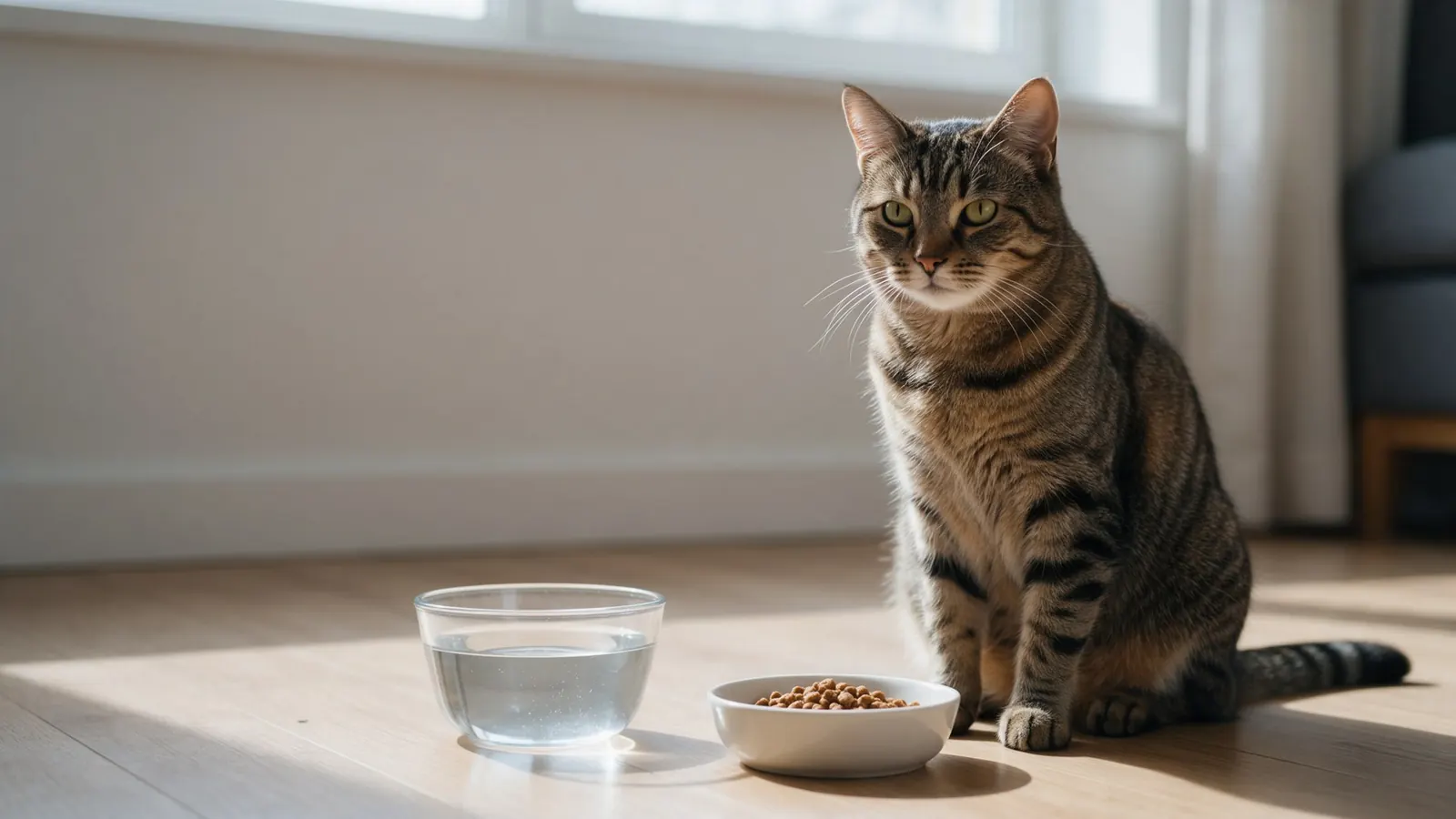
What is diabetes in dogs and cats?
Diabetes mellitus is a condition in which the pancreas makes too little insulin, or the body stops responding to it, so glucose can't get into the cells and stays in the blood.
Insulin is the hormone that lets glucose move out of the blood and into cells in the liver, muscles and fat stores, where it's used for energy. Without enough working insulin, the cells go short of fuel even though the blood is full of sugar.
Most diabetic dogs have a form similar to type 1 diabetes in people: the insulin-making cells are lost, and the dog needs insulin for life. Most diabetic cats have a form closer to type 2, linked to obesity and insulin resistance, which is why some cats can go into remission.
What are the signs of diabetes in pets?
The 4 main signs of diabetes in dogs and cats are drinking more, peeing more, eating more and losing weight at the same time.
Dogs with diabetes often develop cataracts quickly, so cloudy eyes or sudden poor vision can be the first thing an owner notices. Some diabetic cats start walking on their hocks, with the back legs flat on the ground, because of nerve damage. A pet that's diabetic and also vomiting, very tired or not eating may have ketoacidosis, which is an emergency.
How is diabetes diagnosed in dogs and cats?
Vets diagnose diabetes by finding high blood glucose together with glucose in the urine, and in cats they confirm it with a fructosamine test, because stress alone can raise a cat's blood sugar at the clinic.
A full blood screen checks for problems that often come with diabetes, such as pancreatitis, kidney disease and urinary infections.
In-house pet blood tests →How is diabetes in pets treated?
Most diabetic dogs and cats need insulin injections under the skin, usually twice a day, with the timing and dose set and adjusted by the vet.
Never change the insulin dose yourself, and never give a dose to a pet that hasn't eaten. Call the clinic for advice instead.
Living with insulin comes down to 4 routines:
- Feed at the same timesGive meals of the same size at fixed times every day.
- Inject at the times your vet setsGive the insulin dose the vet prescribed, in the way the nurse showed you, and follow your vet's advice on timing.
- Watch for low blood sugarWeakness, wobbliness, twitching or fits are an emergency. Call 050 366 5985 (Dubai), 055 842 4555 (Al Ain) or 055 610 6104 (Abu Dhabi) now and come in straight away. Don't give more insulin.
- Keep your check-upsRegular glucose curves let the vet fine-tune the dose.
What should a diabetic pet eat?
Diabetic cats do best on a high-protein, low-carbohydrate diet, and diabetic dogs on a consistent, high-fibre diet fed at the same times each day.
Weight loss in overweight pets makes insulin work better. Your vet will suggest a diet and a safe rate of weight loss for your pet.
Can cats with diabetes go into remission?
Yes, some cats go into diabetic remission and no longer need insulin, most often when treatment starts early and the cat moves to a low-carbohydrate diet and loses excess weight.
Remission can end, so cats in remission still need regular check-ups and a careful diet. Dogs rarely go into remission because their insulin-making cells are usually gone.
How do I monitor my diabetic pet at home?
Monitor a diabetic pet by tracking water intake, appetite, weight and energy every day, and by bringing your pet in for the blood glucose checks your vet schedules.
Some owners learn to check blood glucose at home with a pet glucose meter, or use a sensor fitted by the vet. A simple daily diary of meals, insulin times and drinking makes each visit more useful.
City Vet branch locations →Questions people ask us
Can't see your question? Message us on WhatsApp or call your nearest clinic.
Watch for drinking more, peeing more, eating more and losing weight at the same time. Sudden cloudy eyes can be another sign. Only a blood and urine test confirms it.
Kidney disease, Cushing's disease and urinary infections can also make a dog drink and pee more, so the vet runs tests to tell them apart.
Most diabetic dogs live for years once their insulin dose is right. The outlook depends on how well the diabetes is controlled and on any other illness.
In dogs, no; most need insulin for life. Some cats go into remission, especially with early treatment and a low-carbohydrate diet.
Don't double the next dose. Give the next dose at the normal time and call the clinic for advice.
Related care
Further reading
 CatsChronic kidney disease in catsChronic kidney disease in cats explained by a City Vet vet: early signs, the 4 IRIS stages, SDMA and creatinine tests…
 DogsKidney failure in dogs: signs, symptoms and treatmentKidney failure in dogs: acute vs chronic, the signs to watch for, common causes such as grapes and antifreeze, tests…
 ConditionsCorneal diseases in petsCorneal ulcers and eye disease in dogs and cats: the signs, why a painful eye is urgent, breeds at risk, how vets test…
Book a vet visit
Send your booking on WhatsApp or call your nearest clinic. Walk-ins are welcome during opening hours, at the walk-in price.